In the funeral procession, senior Iranian officials stood among the mourners, including President Masoud Pezeshkian, Commander of the Islamic Revolution Guards Corps Quds Force Brigadier General Esmaeil Qaani, Foreign Minister Abbas Araqchi, Central Bank Governor Abdolnaser Hemmati, and other senior officials, all participating alongside the public in the farewell ceremony for martyred Leader and members of his family.
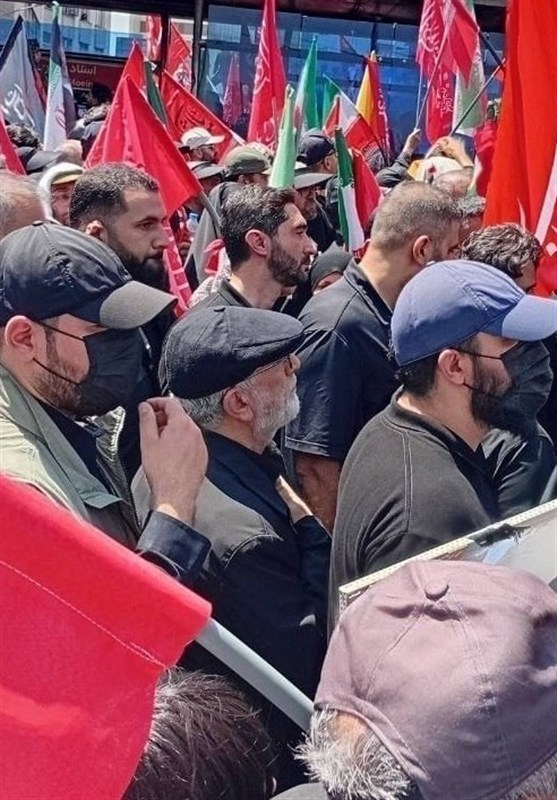
The funeral ceremonies officially began on Friday, when foreign delegations and official representatives from across the region and beyond arrived in Tehran to pay tribute to the martyred Leader. Over the weekend, millions of mourners gathered at Tehran’s Grand Musalla, where continuous Quran recitations and elegies set a deeply sorrowful yet resolute atmosphere.
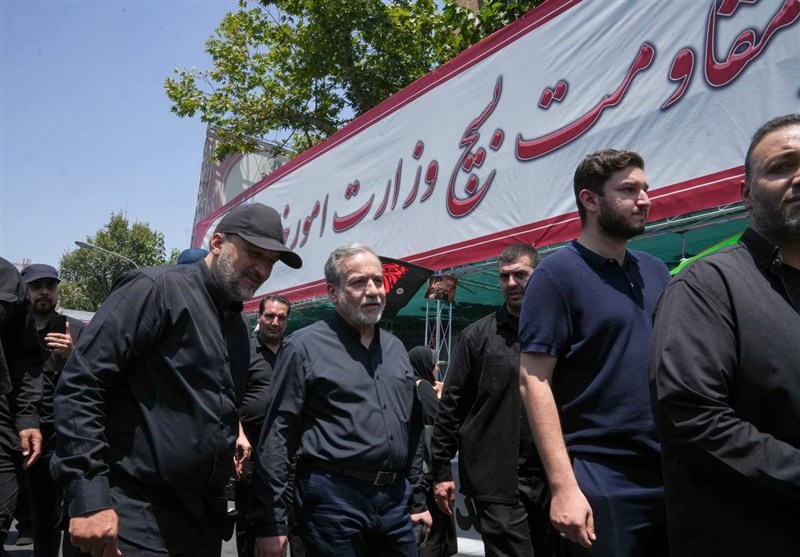
Funeral prayers for the martyred Leader and his family members were held on Sunday morning at the Musalla with the participation of senior state figures and large crowds of mourners.
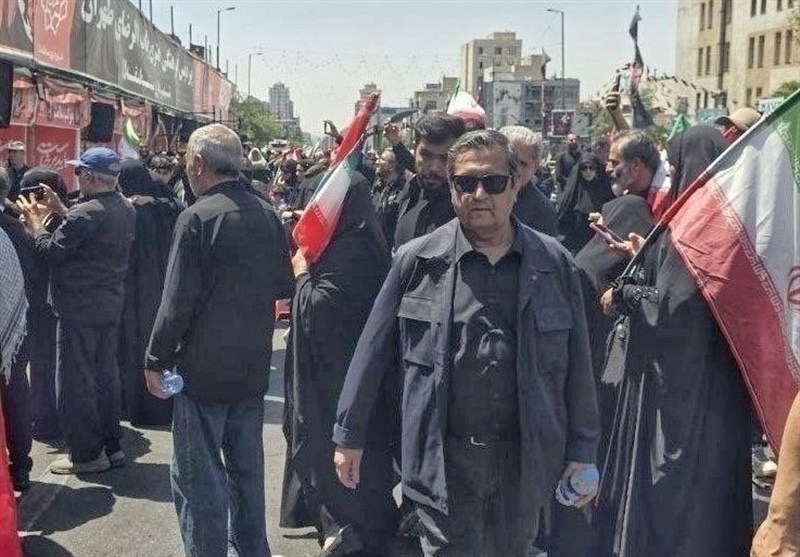
Following Monday’s unprecedented procession in Tehran, the cortege is scheduled to move to the holy city of Qom on Tuesday. Funeral and tribute ceremonies will continue in Iraq’s holy cities of Najaf and Karbala on Wednesday at the request of Iraqi religious and political leaders, before concluding with burial at the shrine of Imam Reza (AS) in Mashhad on Thursday.
Ayatollah Seyed Ali Khamenei was martyred in a joint US-Israeli strike on Tehran on February 28, 2026, at the outset of a 40-day war of aggression against the Islamic Republic of Iran. His assassination triggered widespread mourning across the country and the wider Axis of Resistance, with participants in the ceremonies carrying red flags as a symbol of enduring resolve and the continuing demand for justice and retribution.