Tasua, observed on the ninth day of the lunar month of Muharram, commemorates the eve of the Battle of Karbala and is regarded as one of the most significant days in the Shiite religious calendar.
Across cities and villages in Iran, black-clad mourners gathered in mosques, religious centers, streets, and public squares to participate in mourning rituals honoring Imam Hussein (AS) and his loyal companions.
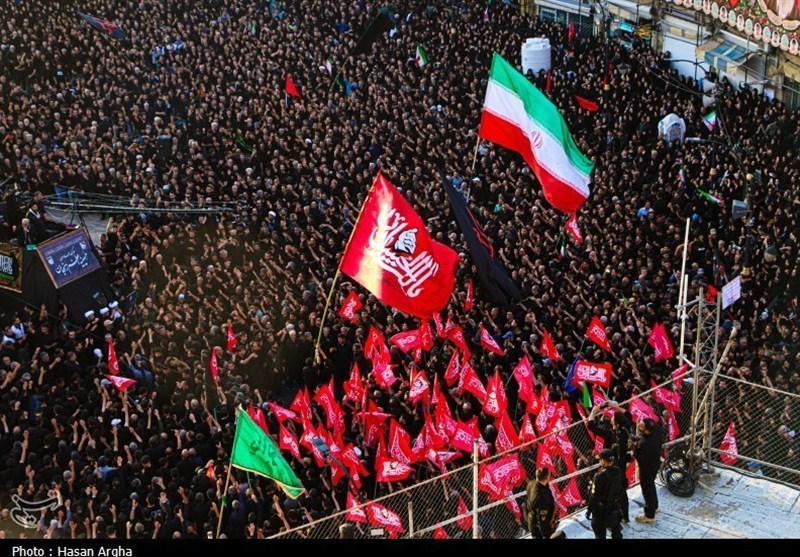
The observances form part of the first ten days of Muharram, during which Shiite Muslims around the world commemorate the events that culminated in Ashura — the day Imam Hussein (AS), grandson of Prophet Muhammad (PBUH), and a small group of his family members and companions were martyred in Karbala in present-day Iraq in 680 CE after refusing allegiance to the Umayyad ruler of the time.
For Shiite Muslims, the uprising of Imam Hussein (AS) represents enduring values of justice, dignity, resistance against oppression, and the defense of truth.
Traditional mourning ceremonies in Iran include religious sermons, elegies, processions, and symbolic rituals that vary across regions while preserving a shared message of remembrance and devotion.
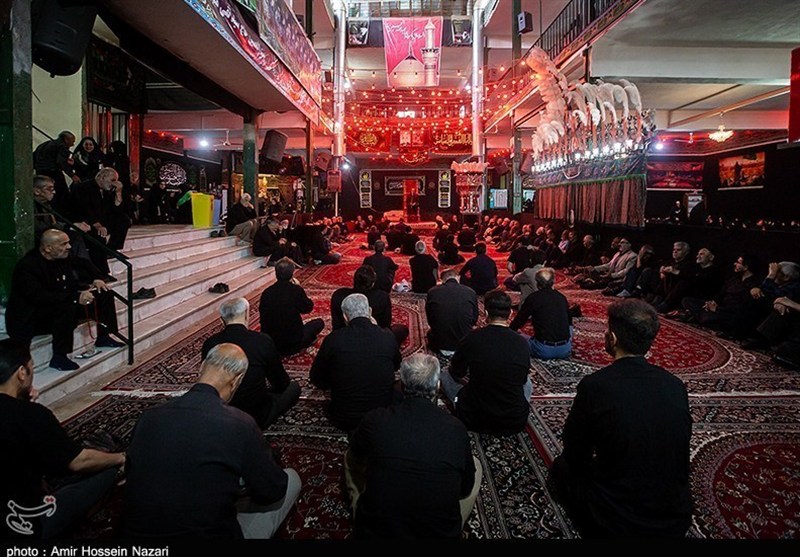
Many Iranians also prepare and distribute votive food (Nazri) among neighbors, visitors, and those attending ceremonies as an act of charity and religious offering. Public kitchens, mosques, and local communities organize large-scale food distribution during Tasua and Ashura.
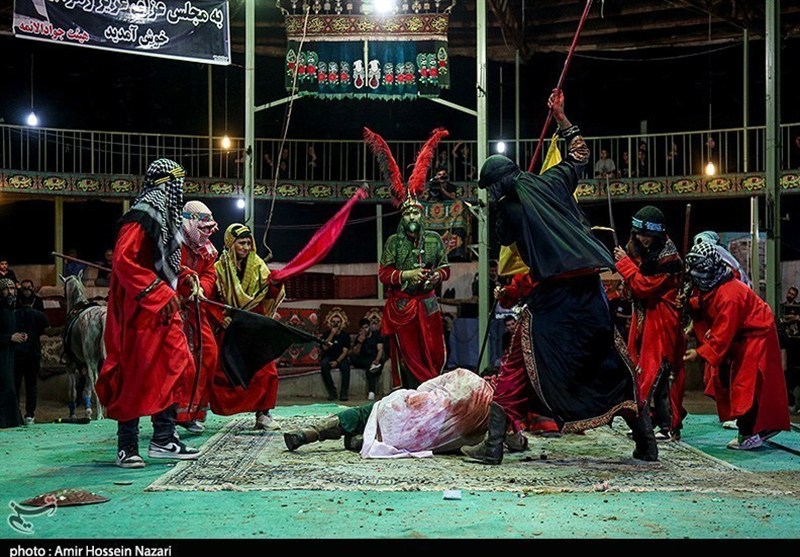
Another enduring element of Muharram commemorations is Ta’zieh, the traditional Persian passion play that reenacts the events of Karbala through dramatic performance and religious storytelling.
The ceremonies will continue into Ashura, when millions of mourners in Iran and other countries are expected to gather to commemorate the martyrdom of Imam Hussein (AS), an event that remains central to Shiite religious identity more than fourteen centuries later.