According to Lama Abu Hulw, a Tasnim reporter in the West Bank, while international organizations have repeatedly warned about the state of media freedom in the occupied territories, the case of Farah Abu Ayyash, a Tasnim reporter in Hebron (al-Khalil), has become one of the symbols of the oppression of Palestinian journalists. The journalist who once narrated the lives and suffering of others has now become the subject of the same narratives that her colleagues narrate; a narrative that continues after a year of her arrest, and a new chapter is added to it each time due to the obstruction of work by the Zionist regime's courts and the extension of her illegal “administrative detention”.
Nasser Abu Bakr, head of the Palestinian Journalists Syndicate, referred to the situation of the large number of Palestinian journalists arrested by the Zionist regime, saying Palestinian journalists are in many cases systematically targeted for murder, beating and detention by the Zionists.
Explaining the latest situation of Palestinian journalists in Israeli prisons and detention centers, he said, “More than 200 Palestinian journalists have been arrested by the Zionists, of whom over 60 have been placed under administrative detention, and up to this moment, more than 50 journalists are still in the occupation's prisons; some are under administrative detention, some are under interrogation, and some have been sentenced to imprisonment. All of these measures are aimed at removing Palestinian journalists from the scene and preventing them from reporting the truth of what is happening to the Palestinian people.”
Amin Shuman, president of the Palestinian higher commission for the affairs of prisoners, highlighted the conditions of detention of Palestinian journalists, stating, “What is happening in Israeli prisons, the difficult and catastrophic conditions and arrests, especially what is being done against Palestinian journalists, is the same situation that Farah Abu Ayyash is a clear symbol of, whose administrative detention has been extended several times. Israel’s goal in such obstructions is to silence the voices of Palestinians and prevent the transmission of the truth of what is happening in the Palestinian land and inside Israeli prisons, as well as the crimes that settlers are committing against the children of the Palestinian people.”
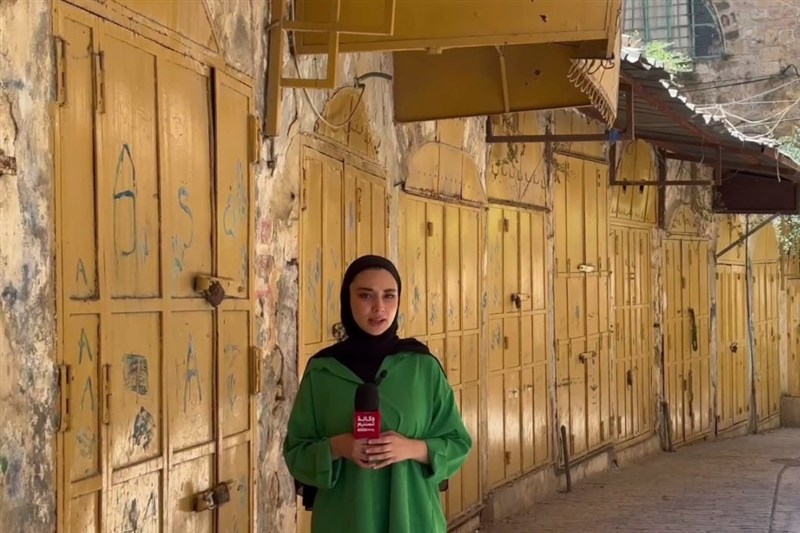
In addition to the legal and media aspects of this case, Farah’s family has also been waiting for an end to this uncertainty for a year, an expectation that with each court session brings them new hope and then another disappointment.
Sabreen Abu Ayyash, Farah’s sister, says it has been a year since Farah's arrest, “and for us, this one year feels like several years. In every court session and with every decision, we hold onto the hope that her release is near, but every time we are surprised by the extension of my sister's detention. The extension of detention brings us back to zero. When you don't know when this detention will end, you live between hope, despair and fear.”
She continues to address her imprisoned sister. “I tell Farah that we all love her, we miss her very much and are waiting to see her, and we will not stop trying until Farah gains her freedom. We are always waiting for news from the lawyer or from the prisoners who are released, and every time we hear news about Farah, the feelings of joy and sadness mix together. We are happy because despite everything, she remembers us and we are sad because she is not with us right now.”
Sabreen continues by describing the details of her sister’s arrest: “On the day of Farah’s arrest, August 5th, (2025) at 12:00 AM, suddenly the occupying forces brutally stormed the house. Several female soldiers were with them and entered the house. Farah’s arrest happened very quickly. They searched her and asked for her cell phone and ID card. During the arrest, they did not allow her to wear her hijab. Farah asked to take her medicine, saying that she was suffering from a stomach problem and was taking medication, but the Israeli soldiers did not allow her to take her medicine with her. Then they handcuffed her, blindfolded her, and put her in a military jeep.”
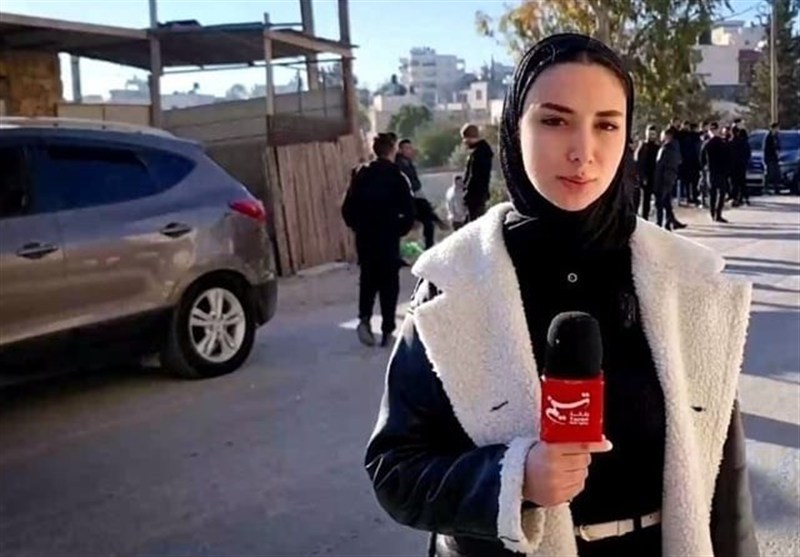
Farah Abu Ayyash’s case is just one example of the situation for Palestinian journalists. According to the information provided, there are dozens of Palestinian women prisoners behind bars, including four journalists, who were arrested while carrying out their professional duties.
At the end of each reporting mission, a journalist usually returns home with a new story, but for some Palestinian journalists, the mission ends at the prison gate. The case of Farah Abu Ayyash has also become a symbol of the challenges facing Palestinian journalists in the eyes of many media activists, a case that remains open and with each extension of administrative detention, concerns about the state of media freedom and journalists in Occupied Palestine increase.