According to Tasnim correspondent in Yemen Farouq Ali, the closure of Sana’a International Airport, Yemen’s only main and internationally approved air gateway, has continued to prevent the airport from operating under normal conditions as a result of the ongoing Saudi and international coalition air blockade.
Yemeni officials say the situation has caused a widespread humanitarian crisis and seriously disrupted millions of citizens’ access to medical, educational and transportation services.
The consequences of the airport’s continued closure, particularly for patients, students, businessmen and migrants, are growing day by day, and experts believe the continuation of the situation has deepened the humanitarian crisis in Yemen.
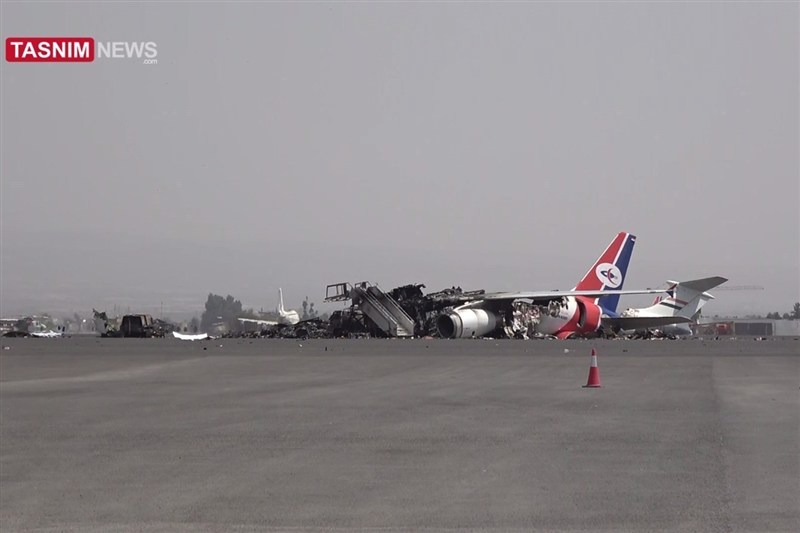
Yemeni Minister of Health and Environment Ali Abdul Karim Shaiban, referring to the consequences of the closure of Sana’a Airport, said, “From the perspective of the Ministry of Health, the closure of Sana’a Airport is a greater aggression than the war itself, because as a result of the 12-year blockade imposed on the Yemeni people, at least 60,000 Yemeni citizens have been martyred due to the suspension of the airport’s operations.”
He added that there are around 200,000 patients with various conditions who need to travel abroad, including patients suffering from chronic diseases, cancer and illnesses requiring specialized treatment procedures that are not available in Yemen. As a result of the blockade, such facilities are also unavailable inside the country.
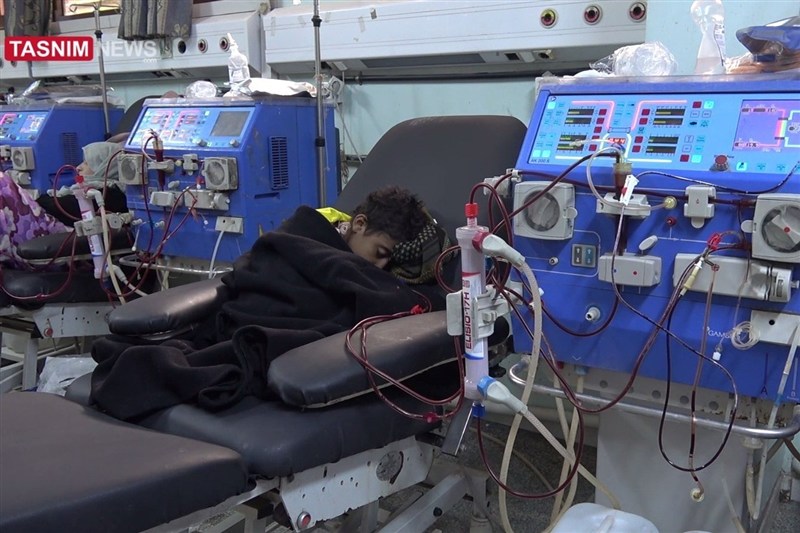
“For example, we are unable to provide nuclear medicine services because we are not allowed to bring radioactive materials into the country,” he said.
In addition to cancer patients, people suffering from kidney failure and blood diseases continue to await an opportunity to travel outside Yemen, particularly as some patients in these categories have died before being able to leave the country.
Ali Taysir, deputy minister of Yemen’s Ministry of Justice and Human Rights, also pointed to the importance of Sana’a Airport in the lives of Yemeni citizens, saying, “Before the blockade was imposed, Sana’a Airport served about 11 provinces or even more, and around 80 percent of the people of Yemen from all provinces of the country, without exception, used this airport, and today they have been deprived of this as a result of the blockade.”
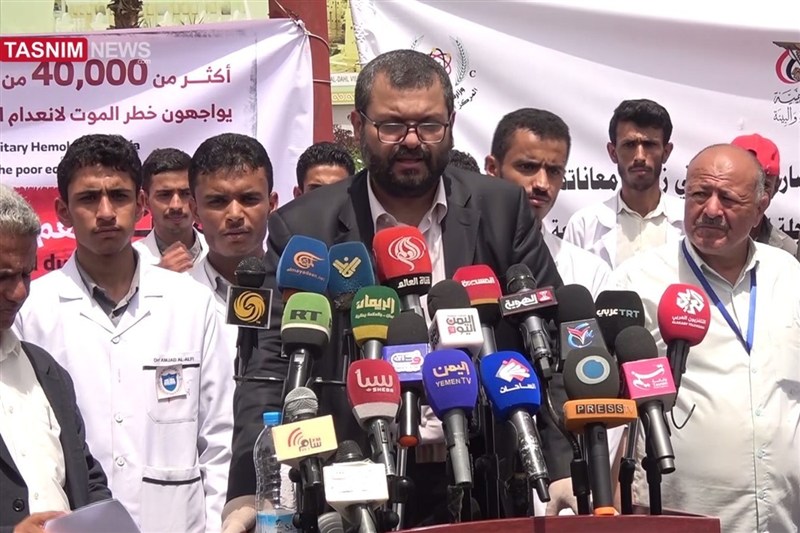
Anis al-Asbahi, spokesman for Yemen’s Ministry of Health, also discussed the consequences of the suspension of Sana’a Airport’s operations for the health of Yemeni patients.
“As a result of the closure of Sana’a International Airport, widespread human suffering has emerged, because many essential medicines, particularly vital medicines for cancer patients, are not allowed to enter the country. Now 120,000 cancer patients are at risk of death. More than 8,000 patients suffering from kidney failure also face the risk of death, and more than 40,000 patients suffering from thalassemia and blood diseases are also struggling with death because the entry of the medicines and medical equipment they need is prevented,” he said.
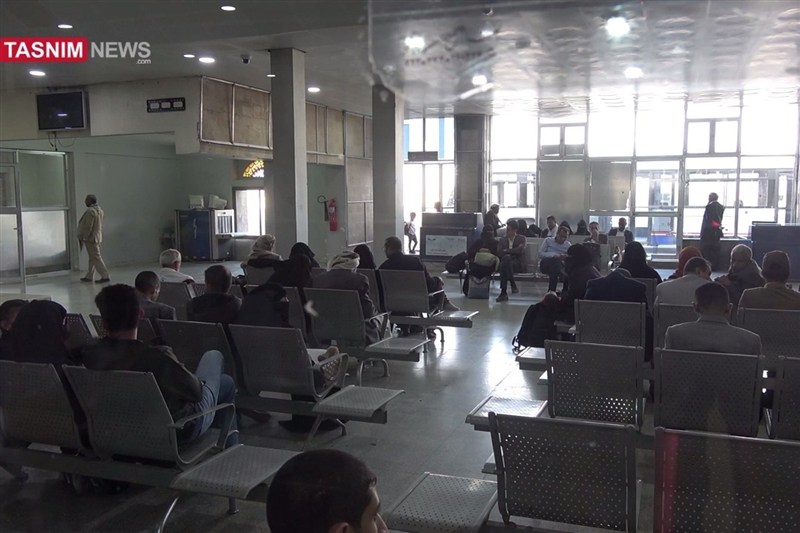
Reports also show that the consequences of the airport’s closure have not been limited to the medical sector. The sharp decline in the number of flights and passengers, the almost complete collapse of air transportation of goods and equipment, and disruption to the normal process of meeting society’s needs have deprived thousands of students, graduates, businessmen and migrants of connections with the outside world and access to their essential needs.
Khaled al-Shayef, director of Sana’a Airport, said, “There is no citizen in the Republic of Yemen who has not been directly or indirectly affected by the closure of Sana’a International Airport, because first and foremost, patients, students, businessmen and even Umrah and Hajj pilgrims have been deprived of using Sana’a International Airport. Therefore, when the enemy continued to destroy and blockade the airport, its aim was to expose all the people of Yemen to harm and pursue a policy of gradual death and killing of the Yemeni people.”
The issue of Sana’a Airport is now being assessed beyond official statistics and data and has become a symbol of the suffering of thousands of Yemenis. Behind every canceled flight is a patient waiting for treatment, a family waiting to see its loved ones, and people who have lost their chance of being saved before the travel route could be reopened.